
Silk Museum
Hospital 7, 46001 - València
TOURISTIC AREA: Historical center
Discover Valencia's rich three-century-long silk history
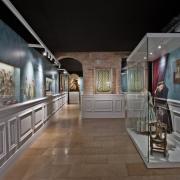
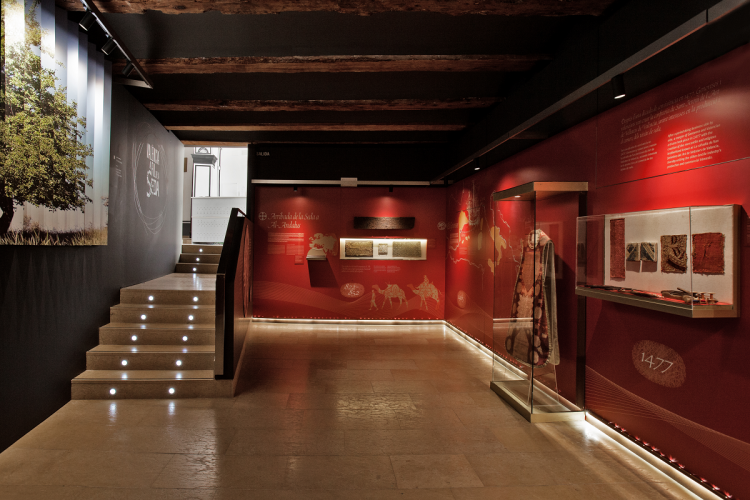
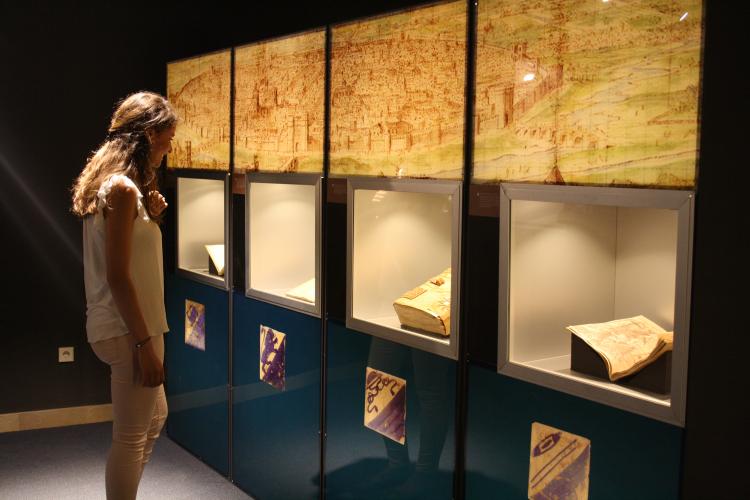
The València Silk Museum is housed in the former headquarters of the Colegio del Arte Mayor de la Seda (Silkmakers Guild), which dates back to the 15th century. The building has a mixture of Gothic and Baroque architectural styles. The refurbishment project was driven by the Hortensia Herrera Foundation, and has enabled both a part of the city's history to be saved and the rediscovery of the legacy left by the silk industry in València. The museum building itself has three principal rooms of particular interest. First is the Hall of Fame. This is the college's main room and the place where the most important heads of the institution would meet. The main attractions are the ceiling fresco by José Vergara and the 18th century Valencian ceramic floor. Next there is the chapel, with a green and white tiled floor that creates a spectacular optical illusion. Finally, the historical archive contains countless documents that bear witness to the history of the silk trade.
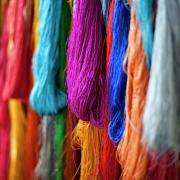
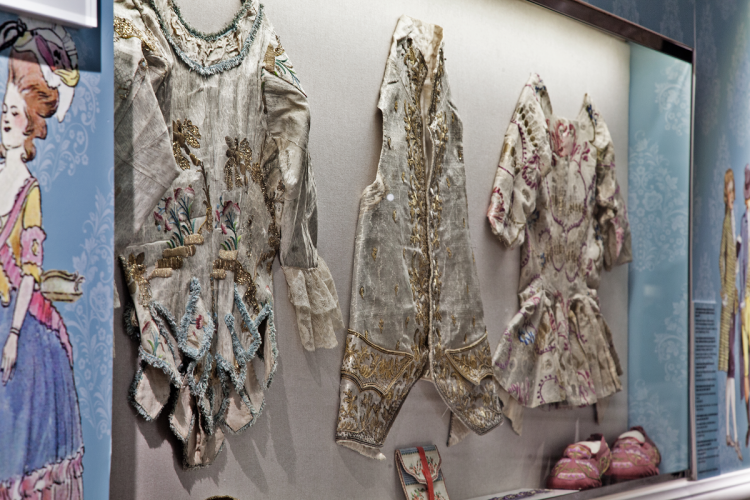
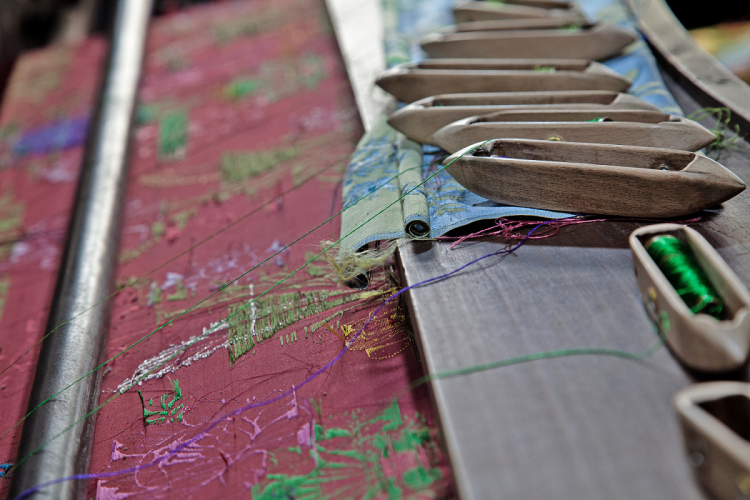
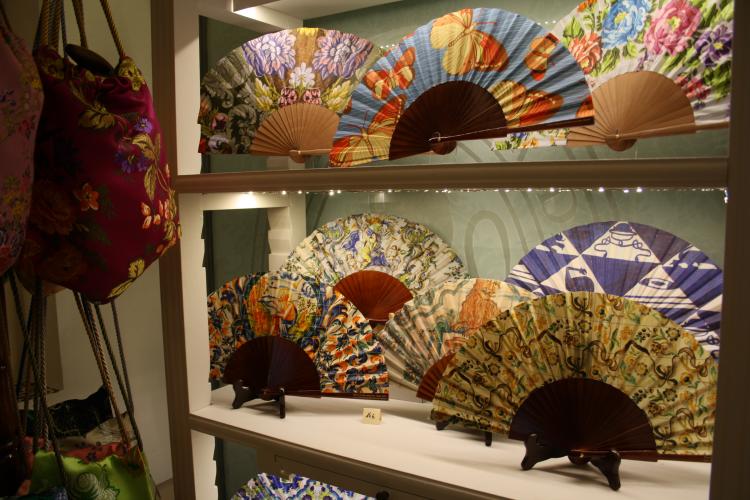
Furthermore, a visit to the museum also allows us to find out how silk came to València and the importance of this trade during more than three centuries. This cultural heritage can still be seen today in the traditional dress worn at València's festivals. You can see examples of antique working looms, the typical rows of shelves, or andana, where the silk worms were bred, the tools of the trade, silk cloth, antique garments, historical documents and so on. This valuable heritage gives the visitor an in-depth and fascinating explanation of València's three centuries of silk history. Round off your visit by visiting the museum shop, Espai Seda. Here you can find interesting and unusual souvenirs made from silk, including scarves, purses, ties, children's games, bags, jewellery etc. The museum also has a restaurant.
Details
- Business schedule
- Tuesday, Wednesday, Thursday, Friday, Saturday: 10:00 to 19:00
- Sunday: 10:00 to 14:30
- Closing days: Monday
-
Price
General 7 euros - Reduced: 6 euros (rate for: Valencia Tourist Card, students, youth card, pensioners, large family, people with disabilities, and unemployed) It is essential to show accreditation in each case - Free: children up to 12 years old, qualified tourism guides and teachers with their groups.
- VTC discount Special discount
-
Interest information
Reduced rate entrance with Valencia Tourist Card
- Century XV
HOW TO GET THERE
Carrer de l'Hospital, 7, 46001 València, España